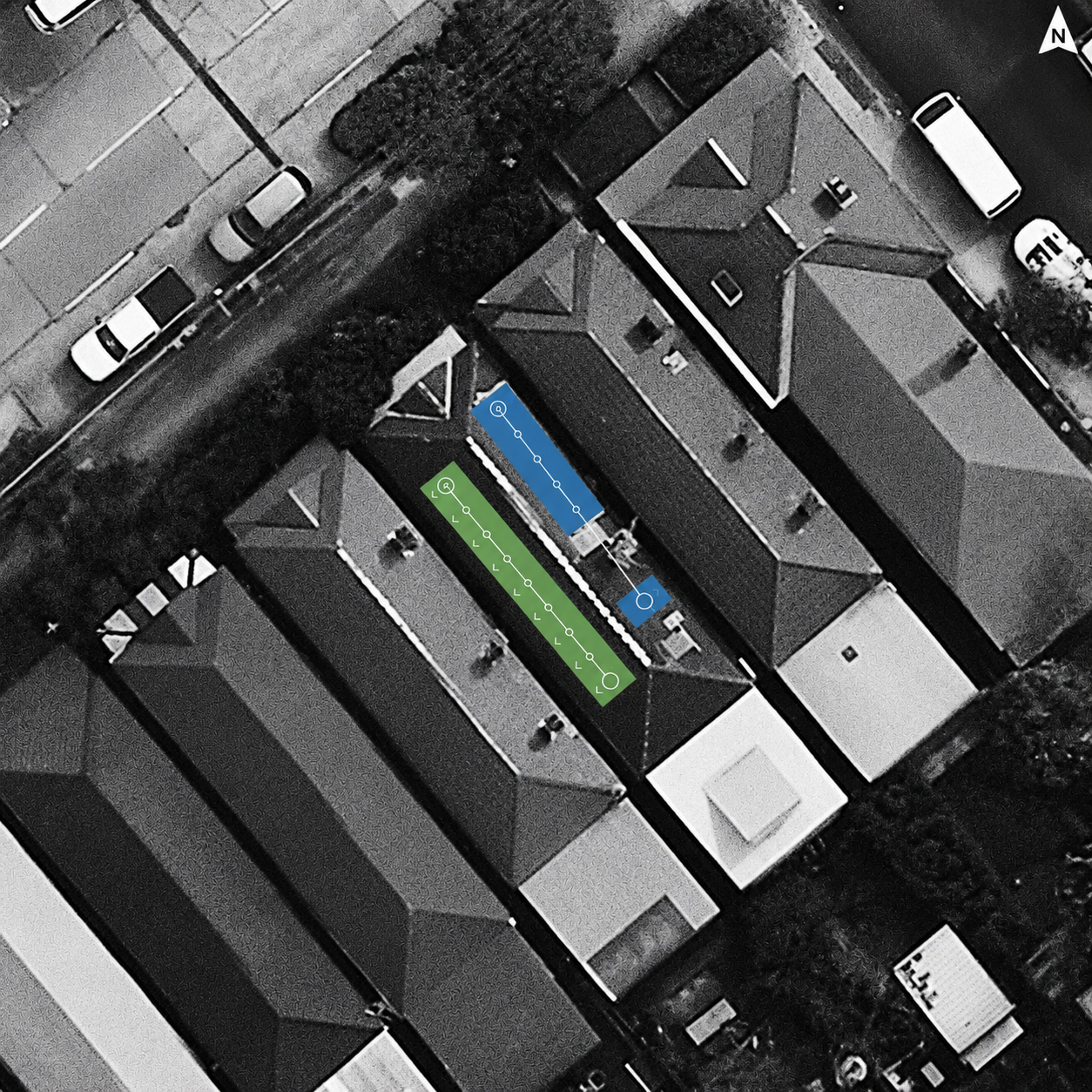
Earlier this year I shared the installation of a 7.1kW rooftop solar system and 13.3kWh battery at my home in St Peters.
As we've moved from summer into winter, it's been interesting to see how the system performs under different conditions.
During summer, the battery was typically charged by excess solar generation. In winter, shorter days and increased household demand mean there are times when it makes more sense to charge the battery using low-cost electricity from the grid during the middle of the day, when wholesale prices are often at their lowest.
That stored energy can then be used later in the evening when demand is higher and electricity is more expensive. It's a reminder that batteries are not only about storing solar energy — they're also becoming an important tool for managing when and how we use electricity.
What has become clear is that the value of battery storage extends beyond self-sufficiency. It provides flexibility, supports grid stability, and helps households respond to increasingly dynamic energy pricing.
As designers, we're often focused on buildings themselves, but the systems that support them are becoming just as important. The transition to a more distributed and responsive energy network is already underway, and residential batteries are playing a growing role.