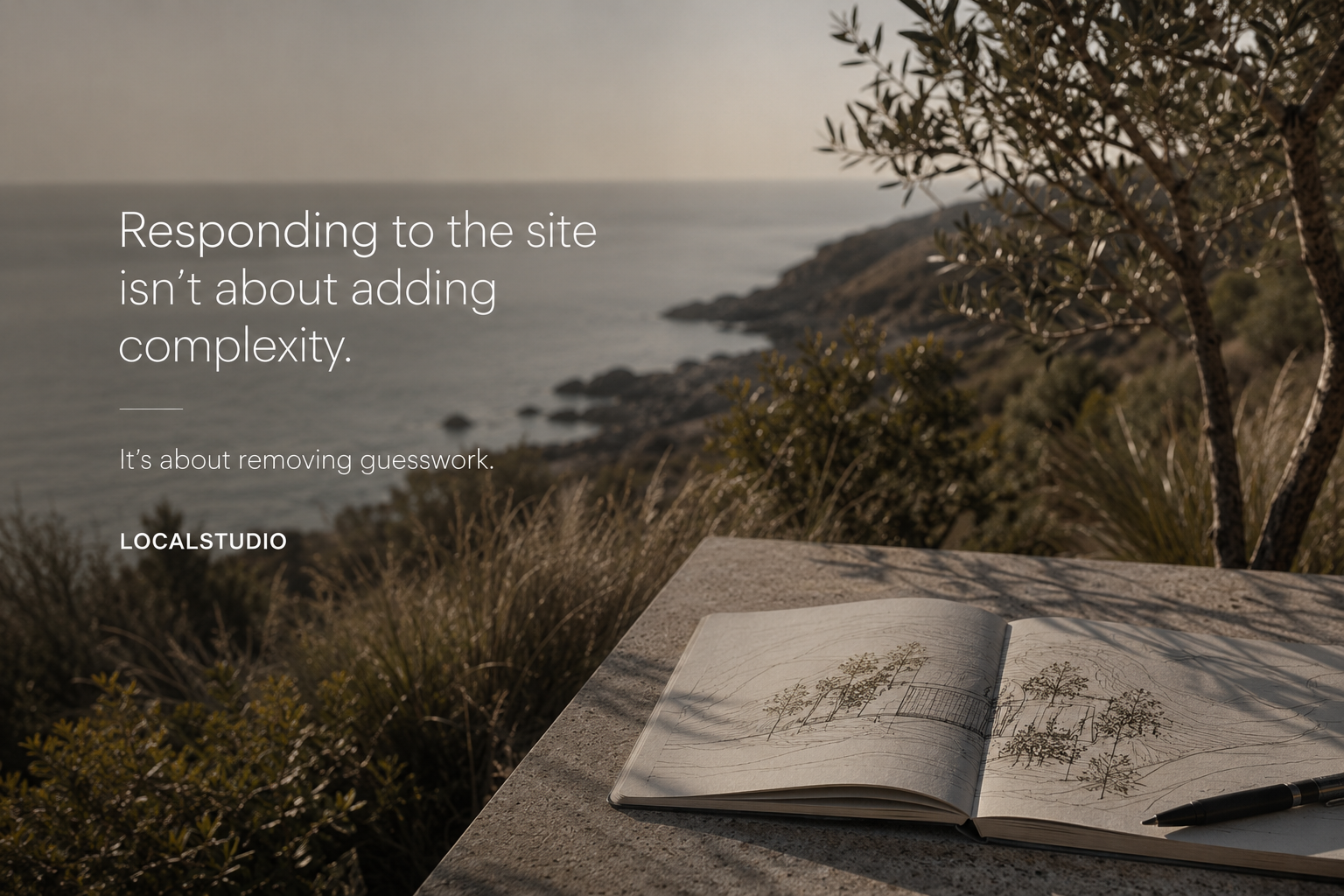
“Responding to the site” is a phrase that gets used a lot in architecture.
In reality, it’s often reduced to a gesture—something that sounds considered, but isn’t always followed through in a meaningful way.
A genuine response to site is quieter, and more deliberate.
It’s in the way light enters a room at different times of day.
How neighbouring buildings shape privacy and outlook.
Where level changes can be used, rather than concealed.
And how planning controls—often seen as constraints—can actually provide direction.
These factors aren’t obstacles to work around. They are the framework the project should grow from.
On many of our projects, the most important moves don’t come from a preconceived idea, but from paying close attention to what’s already there.
A living space shifts because of orientation.
An opening is adjusted because of a neighbouring condition.
A plan simplifies because the site suggests a clearer way forward.
Understanding the site isn’t about adding complexity.
It’s about removing guesswork.
At Local Studio, this process of understanding and discovery forms a critical part of the Concept Design stage.
With a clear understanding of the site and brief established, we begin testing ideas through sketches, diagrams, models, and reference imagery.
This stage is exploratory and iterative. Ideas are developed, reviewed, and refined to establish a clear and considered design direction.
Before we draw anything, we listen
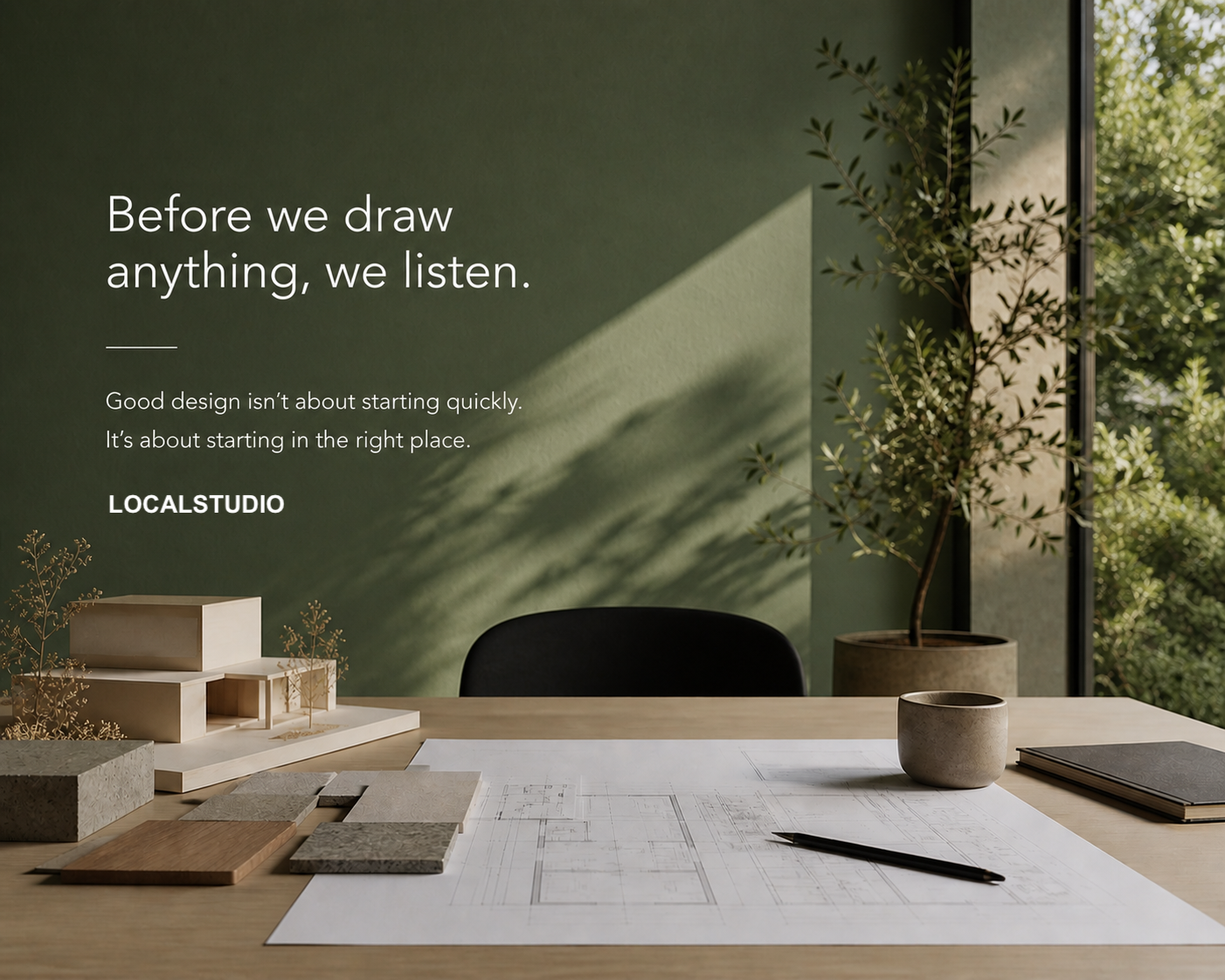
Before we draw anything, we listen.
It’s a simple idea—but one that’s often overlooked.
There’s a tendency at the start of a project to move quickly into plans and ideas. To “get something on paper.” It can feel productive, but more often than not, it leads to work that needs to be revisited once the real priorities become clear.
In our experience, projects don’t lose time in documentation or construction—they lose it right at the beginning, when decisions are made without a clear brief or a clear understanding of budget.
For us, the first step is always about understanding.
How do you want to live?
What does the site offer?
Where should we be ambitious, and where is restraint more appropriate?
These questions aren’t peripheral—they are the project.
Taking the time to properly listen doesn’t slow things down. It removes uncertainty, reduces rework, and allows the design to move forward with clarity.
Good design isn’t about starting quickly.
It’s about starting in the right place.
At Local Studio, we offer pre-design services.
Projects often begin with the need for early advice. We provide a range of preliminary services at a fixed, accessible fee, allowing initial ideas to be tested without commitment to the full design process.
This stage typically includes an initial consultation, followed by feasibility and budget considerations. It establishes the foundation for a detailed fee proposal and a clear project brief.

Clontarf Cottage, Balmain – Building Upgrade
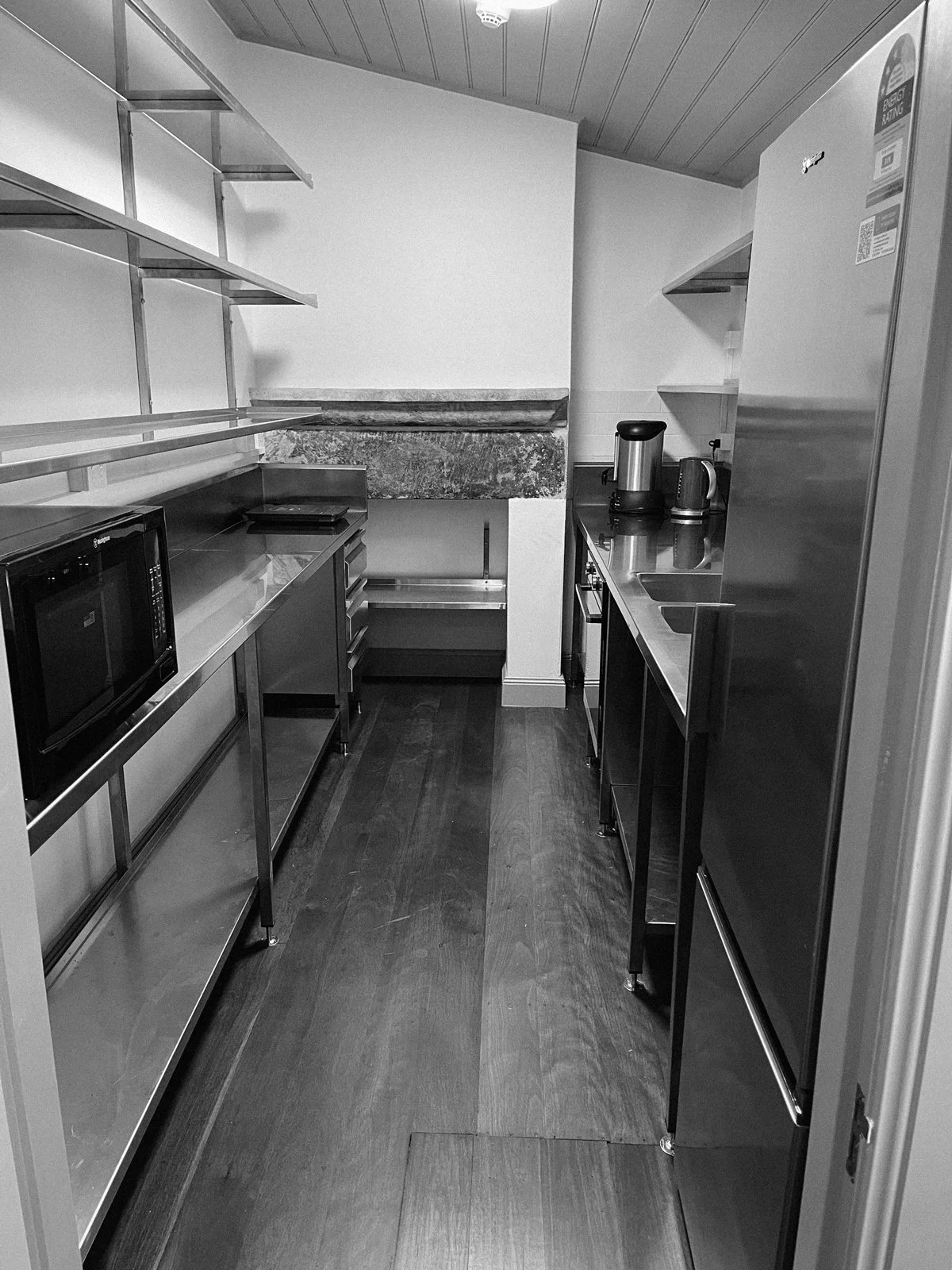
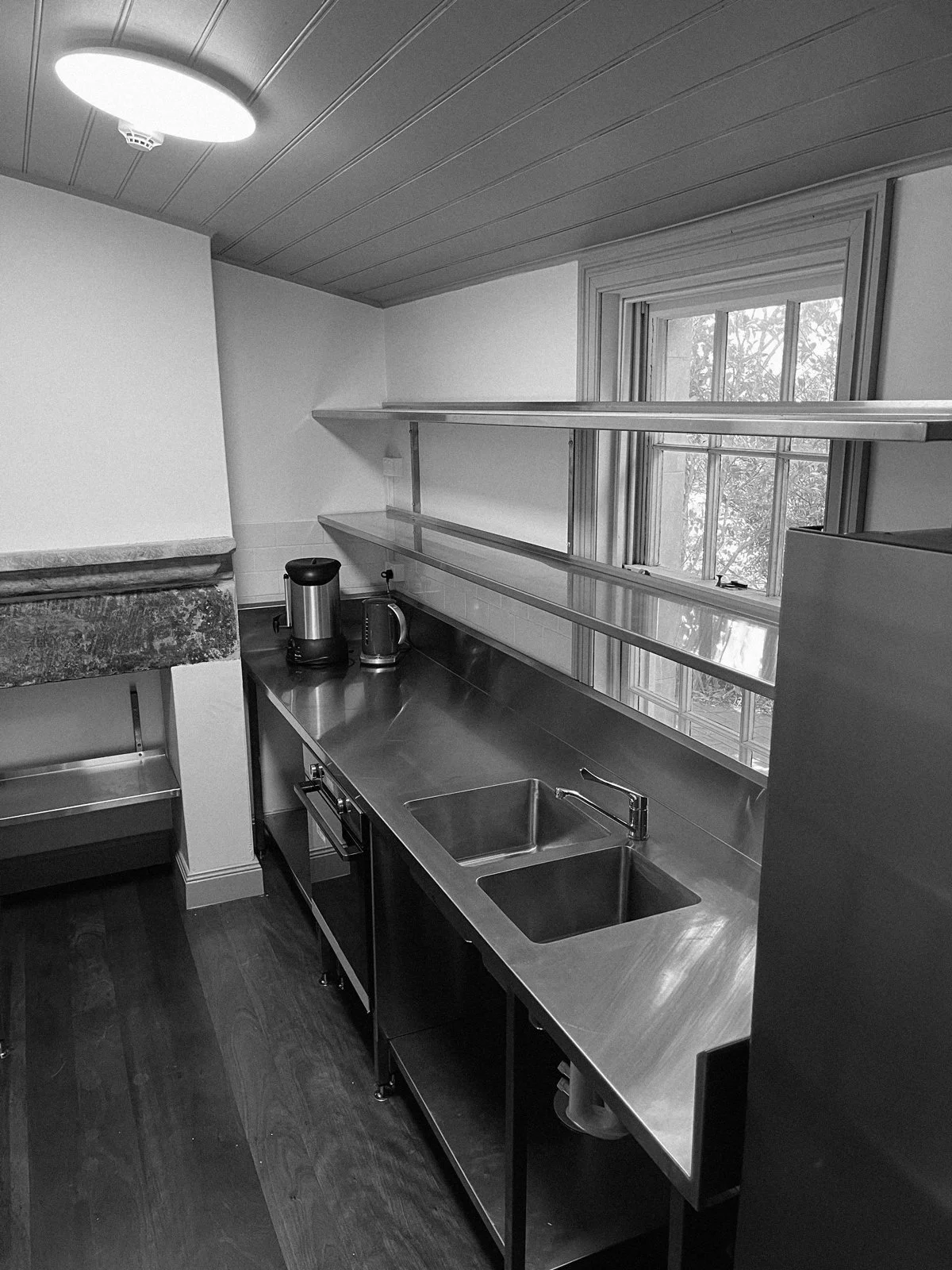
Local Studio was recently engaged by Inner West Council to design a new purpose-built kitchen for Clontarf Cottage, a significant heritage building at the heart of Balmain. Built in 1844, the cottage has long served the community as a venue for intimate gatherings, weddings and local events. Its sandstone walls, modest scale and garden setting give it a distinctive charm that speaks to the earliest years of the Inner West.
The kitchen upgrade forms part of a broader program of improvement works led by Council’s Property Management team, supporting both the ongoing use of the cottage and the dedication of the Friends of Clontarf Cottage community group. Our role was to design a functional, robust and sympathetic kitchen that enhances the utility of the building without compromising its heritage character.
The design is carefully integrated within the existing fabric, balancing contemporary amenity with the constraints and sensitivities of a mid-19th century structure. Materials and finishes were selected for durability and simplicity, allowing the cottage’s original features to remain the focus. The goal was not to transform the building, but to strengthen its capacity to host community life for many years ahead.
It’s a pleasure to contribute to the care and evolution of Clontarf Cottage — a place that continues to hold deep significance for the Balmain community.
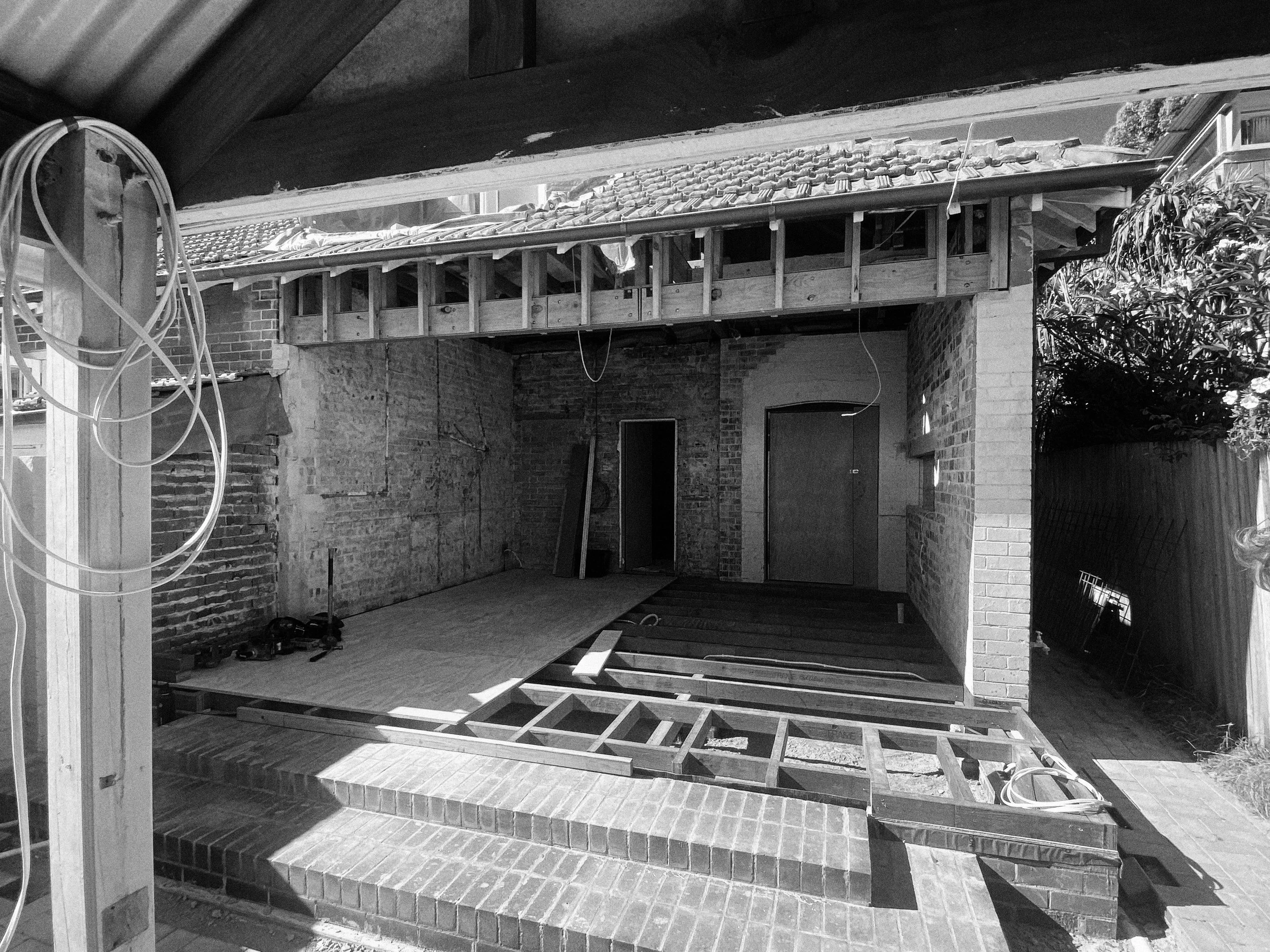
Stanmore Alterations: Evolving a Compact Family Home
Every project begins with a conversation, and in Stanmore it started around the kitchen table — a family reflecting on how they live now, and how they hope to live in the years ahead. Their semi-detached home had charm and solidity, but it was working hard to support the day-to-day routines of a professional couple, a young daughter, and extended family who often stay. The brief was clear: the house needed to adapt, but without losing its modesty or over-capitalising on an inner-west site where every square metre counts.
The design response focuses on doing more with what already exists. On the ground floor, walls that once divided the home into tight compartments have been reworked to create a single, open kitchen and dining space that gathers light from the north and spills out to the backyard. This shift alone transforms how the house feels — calmer, more connected, and far more usable for a growing family.
Smaller but meaningful adjustments accompany this big move: a compact laundry tucked efficiently into the plan, bathrooms rethought for comfort and longevity, and the upper dormer window reshaped to draw in daylight and replace a problematic balcony that had been a continual source of frustration.
Throughout, the emphasis has been on retaining the character of the original dwelling. Materials are reused where possible, and new elements are introduced with restraint, ensuring the old and new sit comfortably together.
As construction progresses, the building’s bones are revealing the intentions behind the design. Watching the structure take shape — moving from drawings and approvals to actual form — is always one of the most rewarding stages of a project.
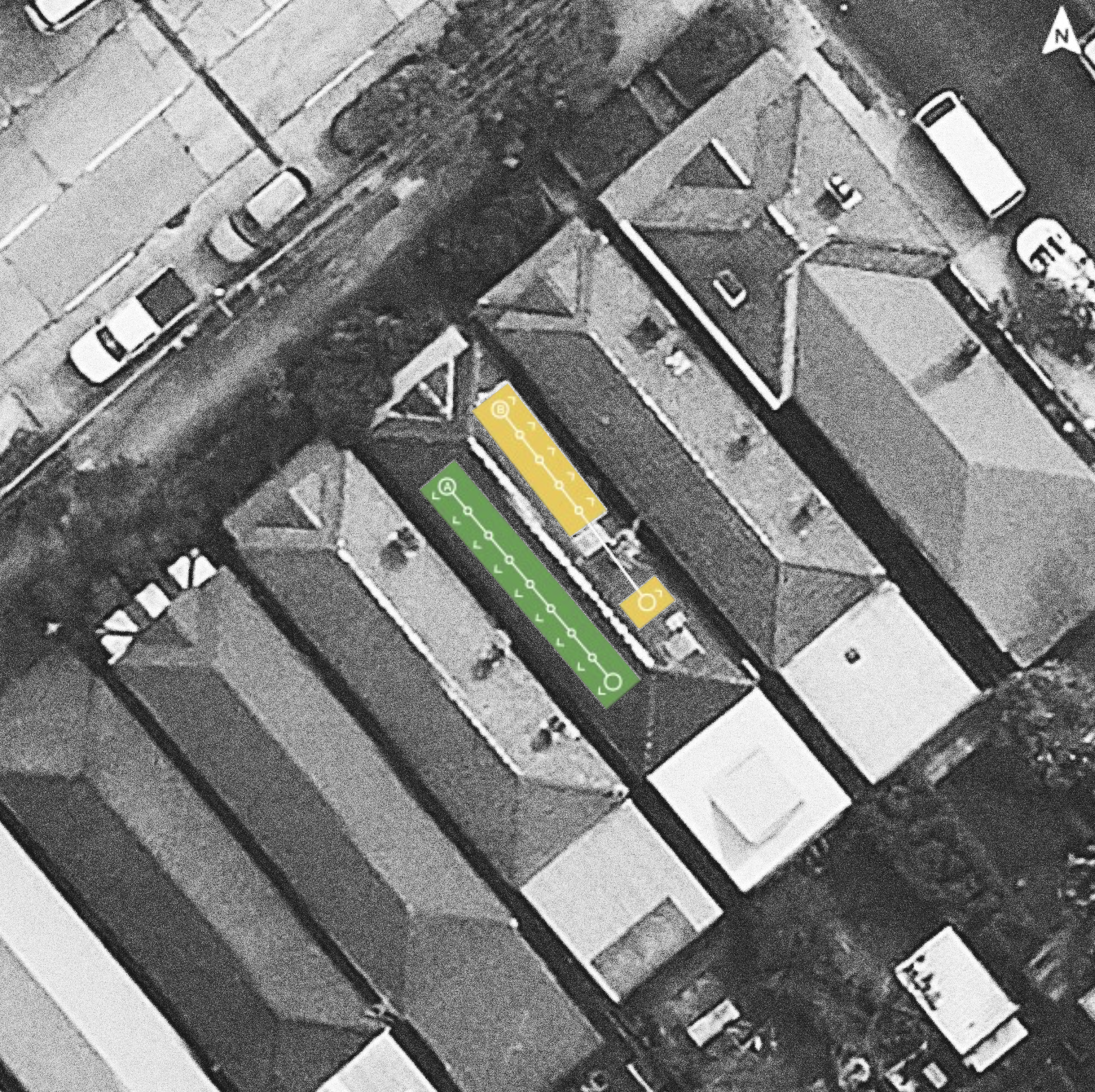
Designing for Energy Independence: Installing Solar and Battery Storage at Home
In October 2025, I installed a 7.125kW solar system with a 13.34kWh battery at my home in St Peters. It’s a modest suburban house, typical of Sydney’s Inner West — and like many, it faces the challenge of balancing comfort, energy use, and sustainability in a compact footprint.
After comparing several options, I chose Partners in Energy to design and install a system built around Jinko Solar Tiger Neo panels and an Alpha ESS Smile inverter with integrated 13.34kWh battery storage. The system is expected to generate approximately 9,200kWh of electricity per year, enough to offset the majority of household consumption.
Performance and Payback
The installation is projected to reduce grid electricity use by over 80%, bringing average monthly bills down from $122 to about $21. Over twenty years, the system offers a net present value of $16,500, a 158% return on investment, and an internal rate of return of 12.4%. The payback period sits at around eight to nine years, after which it will continue producing free, renewable energy.
Environmental Impact
Each year, the system will avoid approximately 2,766 litres of petrol in equivalent emissions, or about 3.1 tonnes of coal burned — the same as planting 167 trees annually. While these numbers are abstract, they translate into tangible environmental benefits at a household scale.
Reflections
For architects and homeowners alike, the shift to distributed energy isn’t just about technology — it’s about design thinking. Integrating solar and storage requires an understanding of orientation, roof geometry, and daily energy patterns, all of which are familiar considerations in architecture.
Incorporating renewable systems into existing housing stock is one of the most direct ways we can reduce emissions and improve resilience. This installation is a small but meaningful step in aligning the way I live with the values I try to bring to my work.